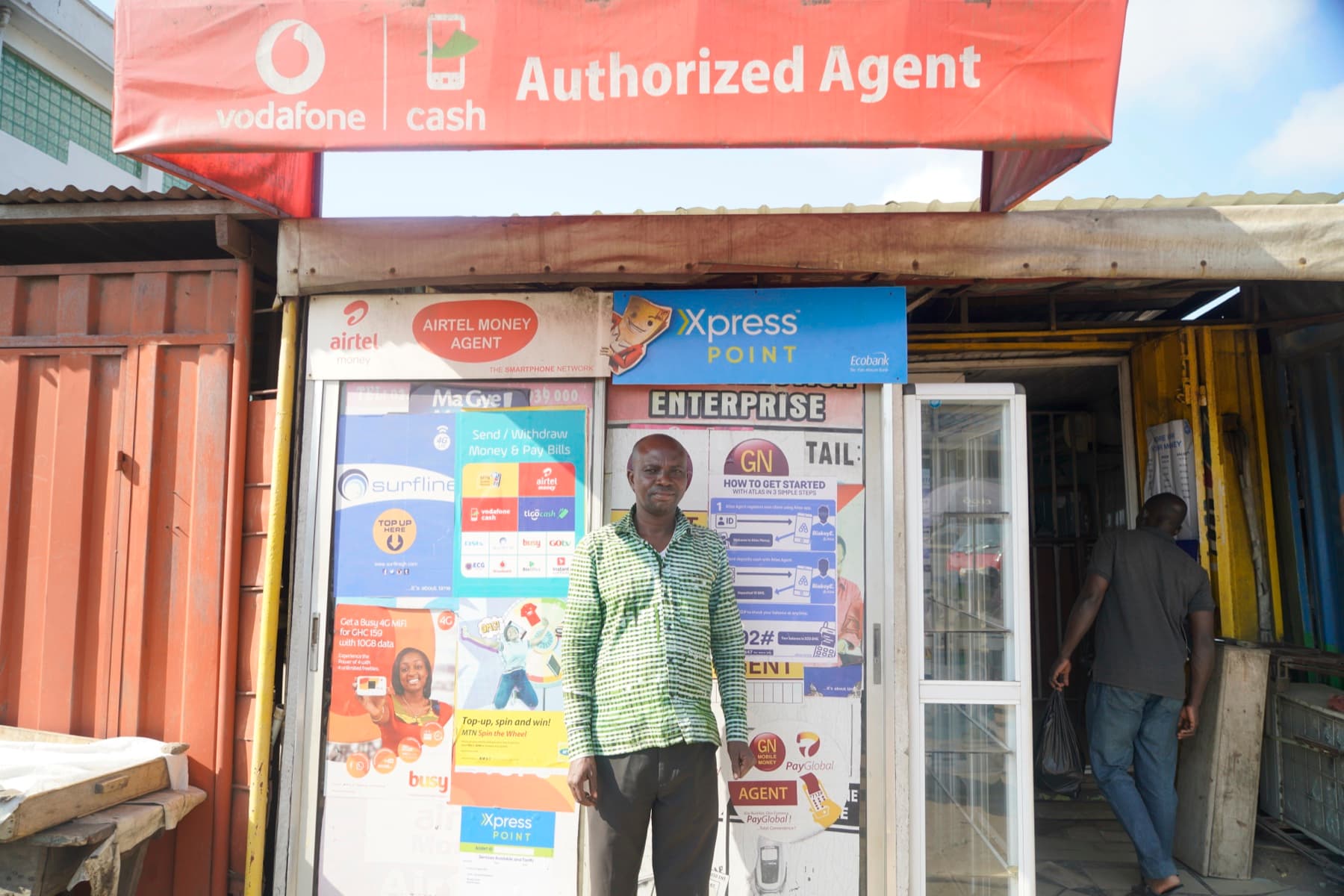
After graduating from UVA, I joined an NYC startup building a decentralized banking network in West Africa.
Atlas Money
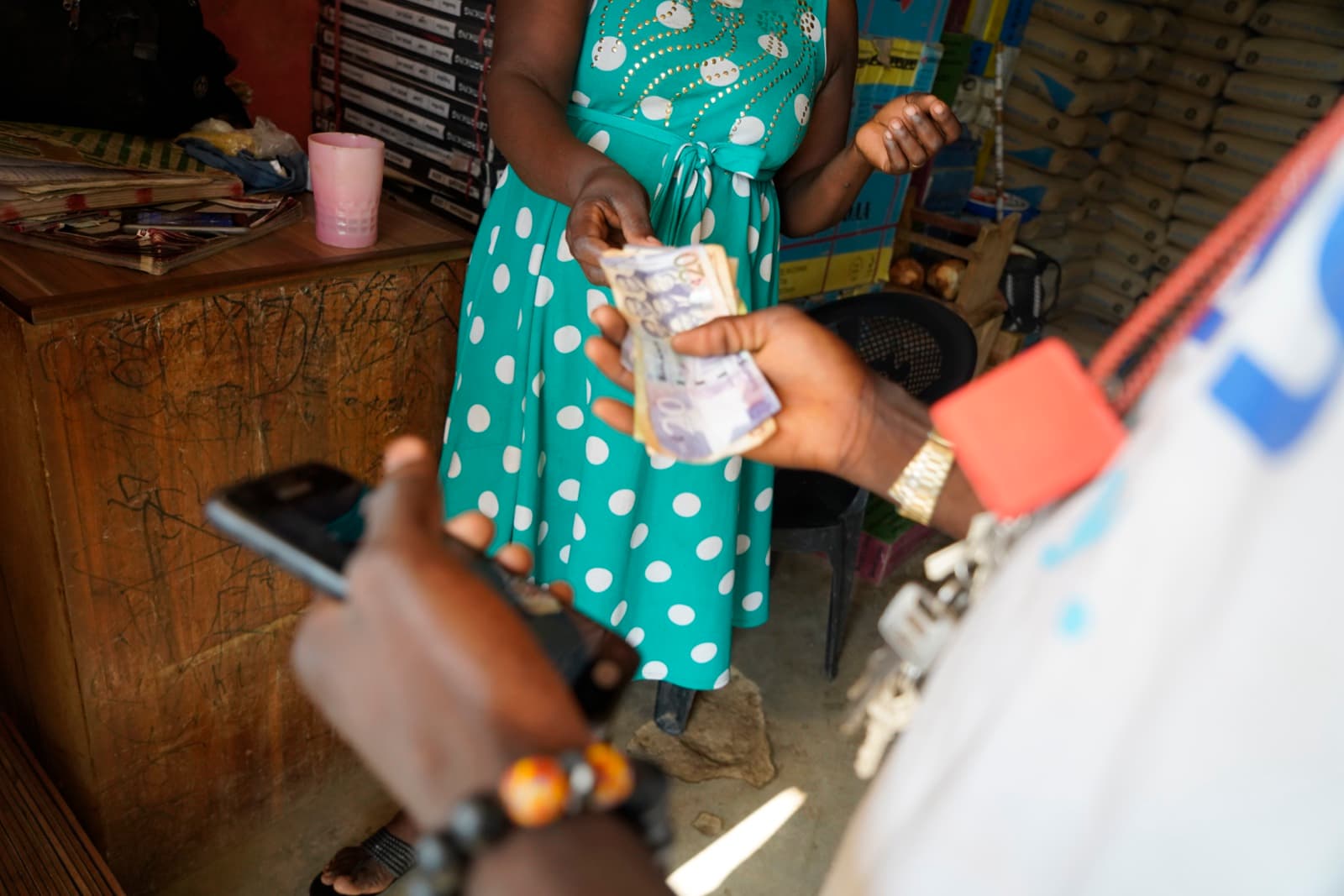
Atlas Money adapted the susu model of community banking, where local collectors go door-to-door taking deposits from their neighbors. Atlas turned these collectors into branchless bankers: agents used a smartphone app to take deposits, make withdrawals, and issue microloans, while customers needed only a feature phone. Agents prepaid digital credit to back the deposits they collected, adding accountability without removing the local relationships the system relied on. By 2018, Atlas had more than 500 agents serving 30,000 weekly active users across Ghana and Senegal.
Offline onramps
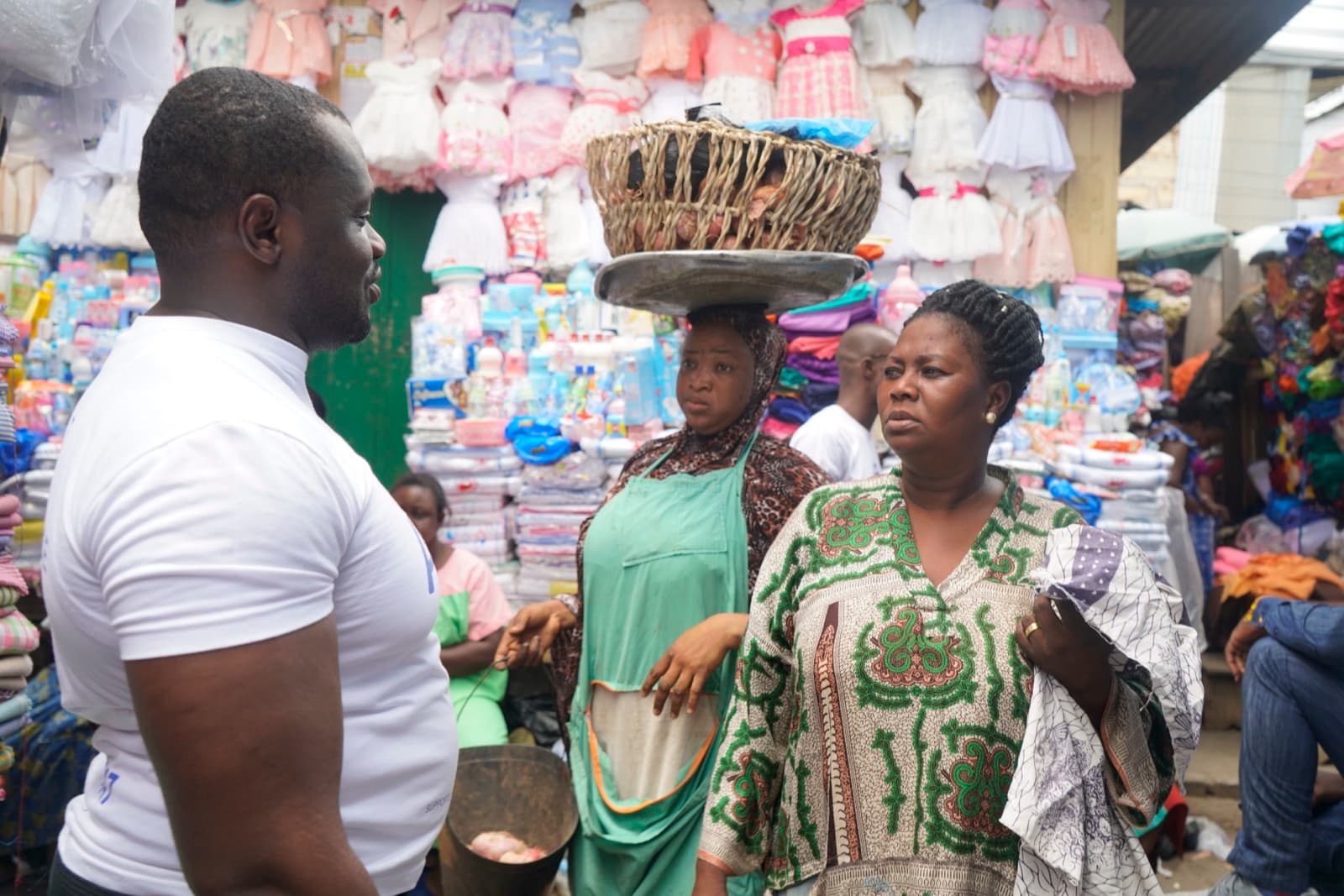
Working on Atlas showed me that bringing crypto to the unbanked wasn't primarily a wallet problem. The harder problem was getting value onchain in the first place when people earned, saved, and transacted in cash.
I returned to this problem with the idea of an offline onramp: physical prepaid cards that could be bought for cash and redeemed for crypto, modeled on the airtime scratch cards already distributed through shops across emerging markets. The goal is a cash-to-crypto primitive that doesn't require a bank account, smartphone, or internet connection at the point of purchase.

 X
X